

Hey there! I'm a supplier of Reflective Safety Vest Belts, and I often get asked about how to test the strength of these belts. It's a crucial aspect, especially considering the safety of the users. So, in this blog, I'll share some practical ways to test the strength of a Reflective Safety Vest Belt.
Why Testing the Strength Matters
Before we dive into the testing methods, let's understand why it's so important to test the strength of these belts. Reflective Safety Vest Belts are designed to keep people safe, whether they're construction workers, cyclists, or runners. A weak belt can fail when it's needed the most, putting the wearer at risk of injury. So, ensuring the belt's strength is non - negotiable.
Visual Inspection
The first step in testing the strength of a Reflective Safety Vest Belt is a simple visual inspection. Take a close look at the belt. Check for any signs of wear and tear, like frayed edges, cuts, or holes. If you notice any of these issues, it's a red flag that the belt might not be as strong as it should be. Also, look at the stitching. Loose or uneven stitching can weaken the belt over time. A well - made belt should have tight, even stitching all around.
Tensile Strength Test
One of the most common ways to test the strength of a belt is the tensile strength test. You'll need a few tools for this: a sturdy frame, a load cell, and a way to apply a pulling force. First, secure the belt firmly to the frame. Make sure it's attached in a way that it won't slip during the test.
Then, use the load cell to measure the force as you start applying a pulling force to the belt. Slowly increase the force until the belt either breaks or reaches its maximum capacity. Record the force at which this happens. This value is the tensile strength of the belt.
Most Reflective Safety Vest Belts are designed to withstand a certain amount of force. For example, belts used in high - risk construction areas might need to have a higher tensile strength compared to those used for casual cycling. You can refer to industry standards to see if your belt meets the required strength levels.
Abrasion Resistance Test
Belts are often subjected to abrasion in real - world use. For instance, if a construction worker's belt rubs against rough surfaces, it can wear down the material. To test the abrasion resistance of a Reflective Safety Vest Belt, you can use an abrasion tester.
Place the belt in the tester and let it rub against an abrasive surface for a set number of cycles. After the test, examine the belt for any signs of damage. If the belt shows only minor wear, it has good abrasion resistance. But if there are significant holes or thinning of the material, the belt might not be suitable for environments with high abrasion potential.
Impact Resistance Test
In some situations, belts might need to withstand sudden impacts. For example, if a cyclist falls, the belt should be able to absorb some of the impact. To test the impact resistance, you can use an impact tester.
Set up the belt in the tester and drop a weighted object onto the belt from a specific height. Observe how the belt responds. A strong belt should be able to absorb the impact without breaking or tearing. If the belt fails this test, it might not be suitable for applications where impacts are likely.
Chemical Resistance Test
Belts can come into contact with various chemicals in different work environments. For example, in a chemical plant, a worker's belt might be exposed to acids or solvents. To test the chemical resistance of a Reflective Safety Vest Belt, you can soak a small sample of the belt in a relevant chemical for a set period.
After the soaking period, remove the sample and examine it for any changes in appearance or strength. If the belt shows signs of discoloration, swelling, or a significant loss of strength, it might not be suitable for use in environments with chemical exposure.
Using Quality Materials
As a supplier, I know that the strength of a Reflective Safety Vest Belt also depends on the materials used. High - quality materials are more likely to result in a strong and durable belt. For example, belts made from strong synthetic fibers like nylon or polyester tend to have better strength and abrasion resistance compared to belts made from lower - quality materials.
When choosing materials, it's also important to consider the reflective properties. You can find some great options like the Elastic Sports Reflective Tape and Adjustable Elastic Reflective Tape which not only provide good reflectivity but also contribute to the overall strength of the belt.
Importance of Regular Testing
Testing the strength of Reflective Safety Vest Belts isn't a one - time thing. Regular testing is essential to ensure that the belts remain safe for use over time. As belts are used, they can be exposed to various factors that can weaken them, such as sunlight, moisture, and physical stress.

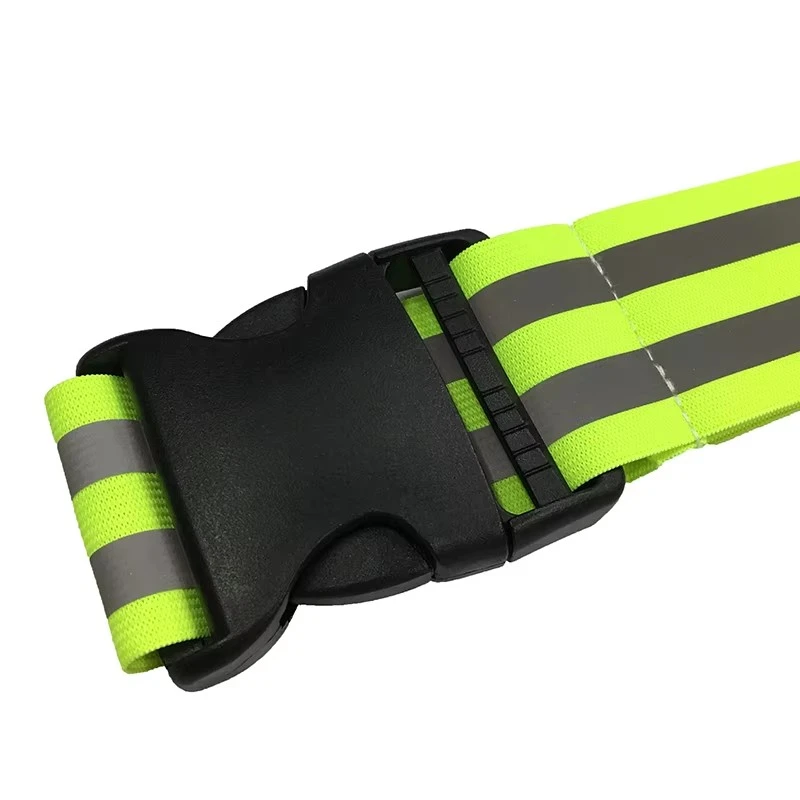
By conducting regular tests, you can catch any potential issues early and replace the belts before they fail. This is especially important in high - risk industries where the safety of workers depends on the reliability of these belts.
Conclusion
Testing the strength of a Reflective Safety Vest Belt is a multi - step process that involves visual inspection, tensile strength tests, abrasion resistance tests, impact resistance tests, and chemical resistance tests. By following these steps, you can ensure that the belts you use or supply are strong and reliable.
If you're in the market for high - quality Reflective Safety Vest Belts, look no further than Reflective Safety Vest Belt. We're committed to providing belts that meet the highest standards of strength and safety. If you're interested in purchasing our products or have any questions about our testing processes, feel free to reach out. We'd love to have a chat and discuss your specific needs.
References
- ASTM International. (2023). Standards related to safety belt testing.
- National Institute for Occupational Safety and Health (NIOSH). (2023). Guidelines for safety equipment in the workplace.